


Children enrich our lives. But they also cost a lot of money. And the outgoings increase the older they get. If you want to save money as a family over the long term and avoid unnecessary expenses, it’s important to start planning early. We’ll share some savings tips and show you what financing options are available for ensuring a financially self-determined future.
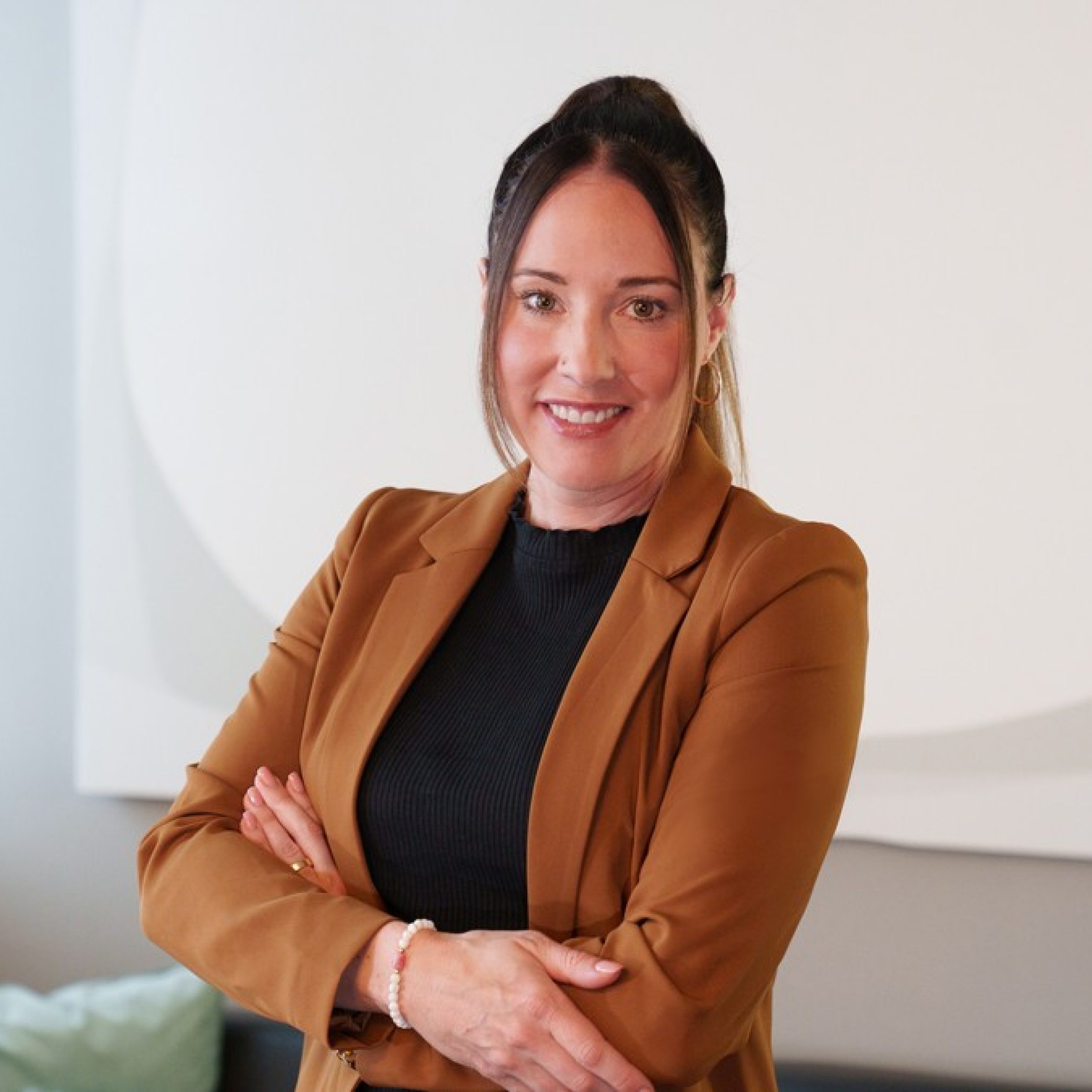
Martina Gantenbein advises on how to save money
Arrange a consultation
If you need any help navigating the subject of saving, do not hesitate to get in touch with us.
How much does a child cost per year?
The costs are very individual and depend on a number of factors, such as age, standard of living, financial resources, day-to-day life and many other personal aspects. Will the family buy a second-hand pram for their newborn or opt for the brand-new luxury model? Does the child have an expensive or low-cost hobby? Does the family buy expensive or cheap food?
On average, parents should allow between CHF 1440 and CHF 1920 per month for one child, from birth to entering adulthood. This corresponds to an average of CHF 20 000 per year. Based on this calculation, a child costs around CHF 400 000 from birth until their 20th birthday.
- The total costs for the period from infant to toddler are estimated at around CHF 1440 per month. This includes the cost of food, clothing, housing, health insurance, healthcare and other basic needs. Costs for third-party childcare and maintenance payments are not included in this estimate.
- A family pays around CHF 1575 for children of primary school age, depending on their standard of living and hobbies. Gymnastics is relatively cheap; a riding school is more expensive.
- During the teenage years, you can expect to pay CHF 1920 per month on average. Parents should budget around CHF 430 for fixed costs for hobbies, public transport and mobile phones.
- For higher education, monthly expenses are usually around CHF 2000, although the costs can vary greatly depending on the situation. If the child continues to live with their parents, the expenses will be lower. However, if they move into their own apartment, there will be rent and other living expenses to cover. Costs may be lower the case of a dual education (apprenticeship), as the child will already be earning their own income and can cover expenses such as mobile phone costs, health insurance premiums, meals, public transport passes and rent.
Source: Education Department of the Canton of Zurich, Child Costs Table (March 2025); the calculation is based on the costs for an only child.
What costs do further or higher education incur?
Ideally, parents should put aside CHF 20–25 000 for their child’s further or higher education. This money can be used to fund training and education without affecting the monthly budget. These savings can also be used to cover other costs such as driving tests or a stay abroad.
What are some tips on providing for children financially?
Investment funds
These days, a traditional savings account with low interest rates is not very attractive for long-term saving. Experts therefore recommend investing in mixed investment funds comprising both equities and bonds. Ideally, you should start this kind of investment as soon as the child is born. You can adjust the proportion of equities according to your risk profile and chosen investment horizon.
3b savings policies
Another way to save for your family is to take out long-term 3b savings policies. Contracts that offer an element of security are of particular interest. Swiss Life offers products that combine security and return elements and so are ideally suited for planning family finances over the long term. The return component can be flexibly adjusted to suit the risk profile, while the security element offers an attractive interest rate that is redefined annually and is currently higher than that on conventional accounts.
Pillar 3b savings plan for the family
We can advise you on all aspects of pensions, savings and financial planning for families.
Insurance for disability or children or parents’ inability to work
Families in particular are highly recommended to insure themselves against risks such as disability or incapacity to work. Life insurance offers various options for this. You can insure against the death or disability of the premium payer, so that the insurance would cover the child’s premium payment should the worst happen.
It is also possible to set up a low-cost pension for your child. This pension provides protection in the event of the child becoming disabled as a result of illness or accident before reaching adulthood and being unable to work in the long term. This pension then provides an income in place of a salary. Without this pension, the replacement income in the event of an early claim during childhood or adolescence is very low, as there is no pension fund or accident insurance. In the event of a permanent disability, only the 1st pillar pays disability insurance, which is about CHF 1500 per month. Experts therefore recommend taking out additional cover.
Pillar 3b
Saving with a balance of security and return. The policy can be adapted in many ways if needs change – and is the ideal solution for accumulating a nest egg for your child.
Arrange a consultation now
We can help you find the right financing and pension solution for your family.
How much should parents save each month?
Many families allocate the state child allowance as their monthly savings amount. The child allowance varies from canton to canton; the statutory minimum is CHF 215 per month. How much money a family should save per month depends on the goal and the family situation. $
Tip: it is worth saving even small amounts: spend less, shop wisely, forego unnecessary costs – just making a few minor changes can help you to put more money aside.
Should any investment be in the child’s name or the name of a parent?
Most families set up an investment so that the money is transferred directly to the child’s or young adult’s account as soon as they come of age. If parents change their mind and do not wish to hand over the money to the child as a young adult, they must make the arrangements before the child’s 18th birthday.
The decision on whether to transfer money to the child automatically at the age of 18 depends very much on how responsible the child is considered to be once they have reached this age. How good the child is with money is also a factor. However, this can also be seen as an opportunity: the son or daughter will be responsible for a large sum of money for the first time in their life and will learn how to allocate and save money.
There is no right or wrong here – both approaches are possible. With policies, a parent or the premium payer can also be the policyholder, in which case the money is paid to the policyholder rather than directly to the child.
Do you want to protect your family’s finances?
Plan for the whole family – for a financially self-determined future.
Pictures: Philip Brand

About Martina Gantenbein
Martina Gantenbein has been working for Swiss Life since 2007. She is a certified life and pensions specialist for private and corporate clients and currently advises clients at the Uster General Agency. Martina is a mother of two and knows what it costs to raise a family.
images by Philip Brand